Church History: Books of the Month
October 2026
Monthly Updates on Recent Books in the History of Christianity
To highlight recent books in the history of Christianity, the editorial staff of Church History: Studies in Christianity and Culture highlights a list of 10-15 books each month that cover diverse periods and geographical regions. Below is the October 2026 monthly list, chosen by our staff, with excerpts from the publishers’ blurbs.
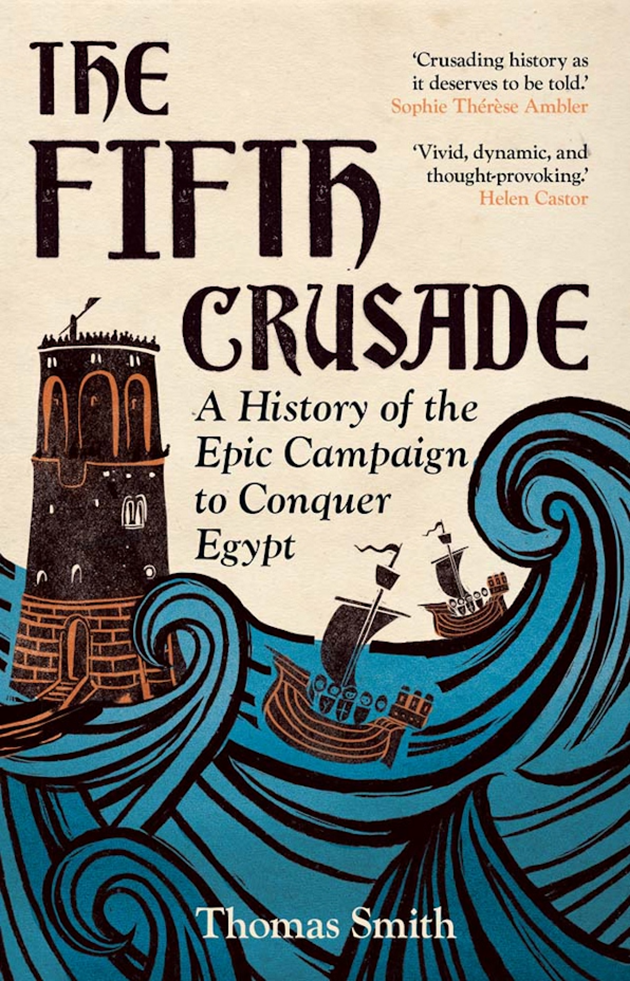
Thomas Smith, The Fifth Crusade: A History of the Epic Campaign to Conquer Egypt, Yale University Press, 2026
In 1217, the crusader states were in a highly fragile condition. The Fourth Crusade had failed, and Jerusalem had not been recovered. The crusaders now set their sights on Egypt. If the breadbasket of the Mediterranean could be conquered, long-term Christian control of the Holy Land could be ensured. Led by the rulers of Hungary and Austria, and backed by the Knights Templar and Hospitaller, the Fifth Crusade was launched.
Thomas Smith tells the gripping story of the crusade for Egypt. Looking at a wide range of Christian and Muslim sources, Smith sheds new light on the brutal reality of medieval combat on land and water. We see a dramatic beach landing, the invention of a unique floating siege engine, and the conquest of the crucial port city of Damietta—one of the most famous and successful sieges of the crusades. Smith provides fresh insights into strategy, showing how, despite early victories, foolish decision making meant that the crusaders ultimately snatched defeat from the jaws of victory.
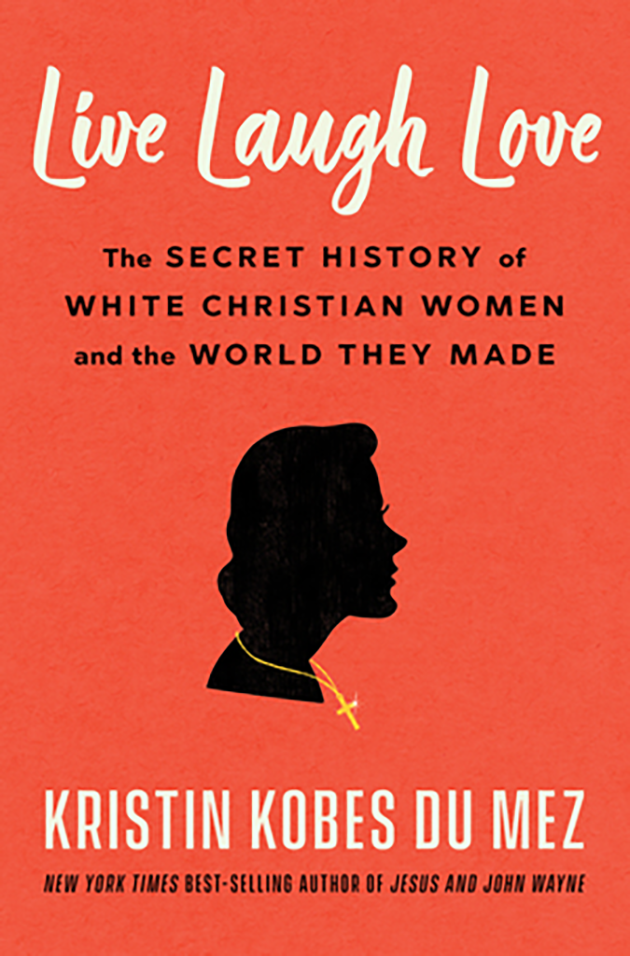
Kristin Kobes Du Mez, Live Laugh Love: The Secret History of White Christian Women and the World They Made, Liverwright, 2026
Live Laugh Love explores a world intimately familiar to millions of American women: Christian bookstores and radio, Hallmark movies, multilevel marketing companies, and contemporary lifestyle brands. This consumer culture may seem trivial, but Du Mez demonstrates that it has an unlikely and revealing history that stretches all the way back to the late nineteenth century and the emergence of New Thought, a movement that championed the power of the mind to shape reality. Du Mez shows how this idea drew together disparate traditions, including Mormonism, holiness evangelicalism, and holiness theology’s charismatic offshoots. Usually seen as distinct, these creeds in fact overlapped, and in the process gave rise to prosperity theologies and to the gospel of positive thinking.
But positivity had a dark side. Du Mez introduces us to religious innovators who taught that positive thinking was the secret to spiritual and material success, and reveals how these notions gave rise to a new feminine ideal. As women read prairie fiction; bought and sold Tupperware containers and Mary Kay makeup; shopped at Hobby Lobby, Target, and Altar’d State; and decorated homes with shiplap, they moved freely between the religious and the secular. Marketed as empowering, these products were part of a consumer culture that elevated domesticity and vulnerability while exposing women to systems susceptible to manipulation.
Combining sweeping cultural history with intimate storytelling, Du Mez explains how theological exclusion led women to build their own brand of Christianity, rich in cultural influence if thin in formal doctrine. Ultimately,
Live Laugh Love explains how a powerful yet elusive vision of womanhood has shaped lives, families, and politics for more than a century now—and how it has brought us to our reactionary moment.
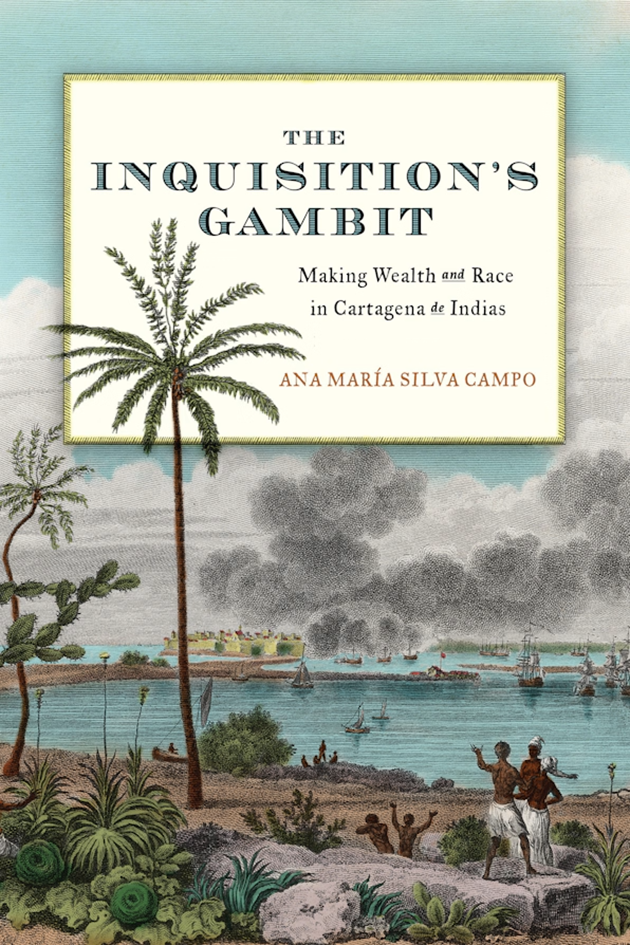
Ana Maria Silva Campo, The Inquisition's Gambit: Making Wealth and Race in Cartagena de Indias, University of Pennsylvania Press, 2026
In 1632, in the port city of Cartagena de Indias in what is now Colombia, officials of the Spanish Inquisition, having recently arrived to take up their posts, arrested Teodora de Salcedo and fifteen other women of African descent who had once been enslaved, each of whom owned a wood-framed house in one of Cartagena’s rapidly changing neighborhoods. The Holy Office declared the women guilty of witchcraft and imposed a range of punishments that included permanent confiscation of all their property. The tribunal then auctioned off their houses to men of Catholic ancestry. During these same years, the Inquisition initially refrained from prosecuting members of the slave-trading elite who were widely suspected of the equally heretical activity of practicing Judaism in secret. It was only later, after they had firmly established themselves in the power structure of the city, that Inquisition officials arrested the Portuguese descendants of Iberian Jews and transferred their property to Old Christian families who were also actively involved in the same trade.
Using rarely studied financial records from the Inquisition’s archives,
The Inquisition’s Gambit reveals how this process of selective persecution and wealth redistribution helped create racialized economic hierarchies in a key Spanish colonial city. When the first inquisitors arrived in Cartagena, they found a city where Spanish policies had created an unexpected social order. The Crown had envisioned Christian men controlling wealth and serving as the foundation of Catholic society overseas. Yet imperial policies—the union of the Spanish and Portuguese crowns in 1581 and Spain’s designation of Cartagena as the main port for the trade in African captives in 1595—had enabled descendants of Portuguese Jews and women of African descent to prosper. Ana María Silva Campo demonstrates how, through this targeted approach to dispossession and redistribution of property, the Inquisition shaped racialized economic hierarchies and long-term patterns of capital accumulation in the early modern Spanish world.
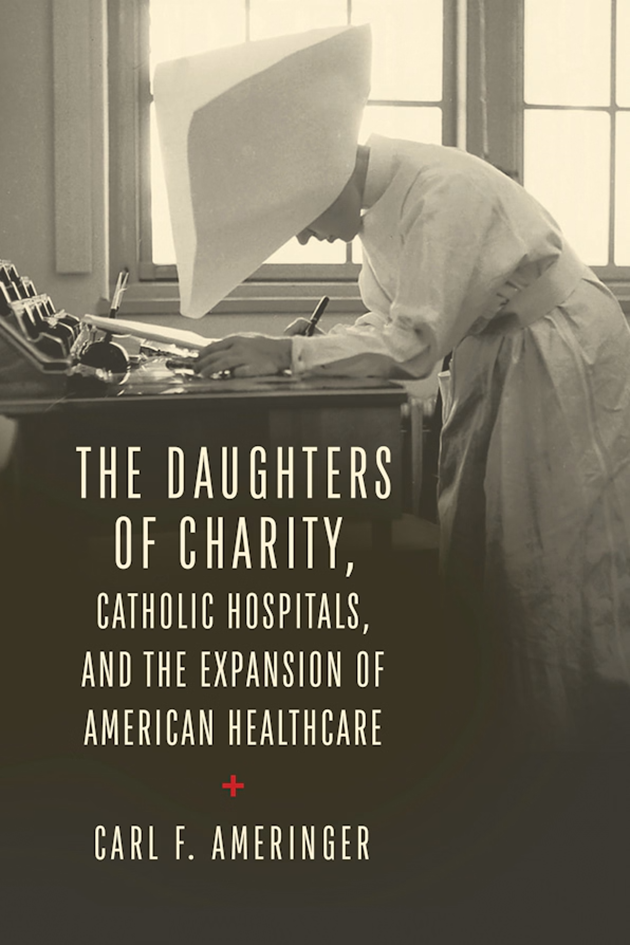
Carl F. Ameringer, The Daughters of Charity, Catholic Hospitals, and the Expansion of American Healthcare, University of Notre Dame Press, 2026
For more than two centuries, the Daughters of Charity quietly worked to shape the institutions that became the backbone of American healthcare. Drawing on his experience as a healthcare attorney and his expertise in health policy and health administration, Carl F. Ameringer offers the first comprehensive history of the Daughters’ healthcare apostolate in the United States, from the founding of their first ministry in 1823 to the transfer of their extensive hospital network in 2012.
Donning their distinctive white-winged cornettes, the Daughters served the sick poor during wars and epidemics, economic recessions and urbanization, founding more than fifty hospitals nationwide. Ameringer shows how they navigated major transformations in medicine and society while overcoming prejudice against women and Catholics and opposition from clergy, physicians, and politicians along the way.
The Daughters of Charity, Catholic Hospitals, and the Expansion of American Healthcare reveals the scale and significance of the Daughters’ contribution to American healthcare and traces a legacy that continues to influence the field today.
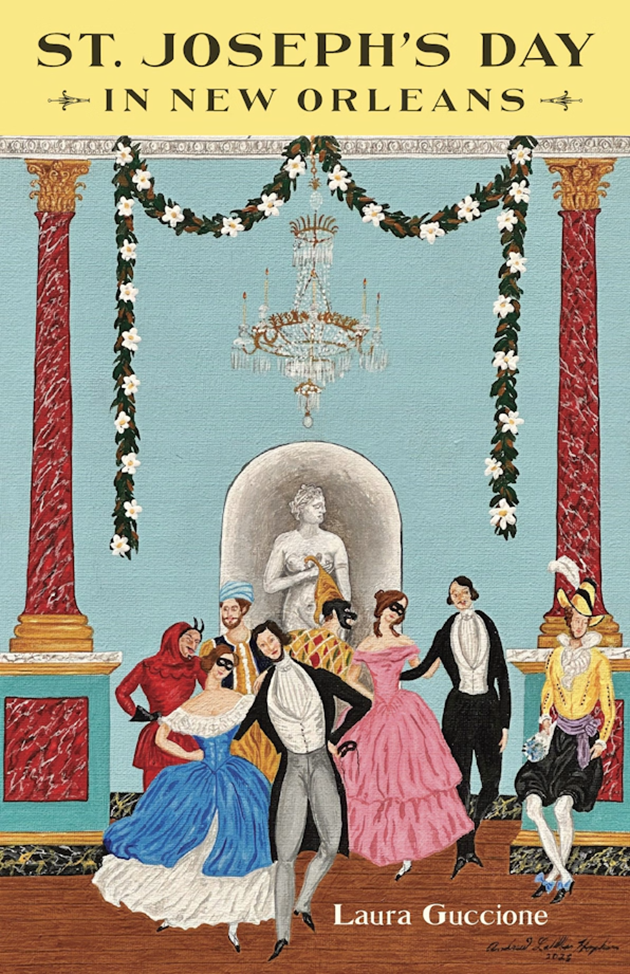
Laura Guccione, St. Joseph’s Day in New Orleans, Louisiana State University Press, 2026
St. Joseph’s Day in New Orleans investigates the origins and evolution of the St. Joseph’s Day holiday, revealing its deep connection to the mid-Lent celebration known as Mi-Carême. Initially conceived as a welcome break from Lent’s austerity, mid-Lent featured masked balls, dancing, and exuberant public revelry—traditions later associated solely with Mardi Gras. Through a meticulous review of historic newspaper accounts, archival resources, and city records, Laura Guccione shows that, in New Orleans, St. Joseph’s Day and mid-Lent were not separate observances but two names for the same festive occasion. In the city’s early and antebellum years, this holiday was a communitywide, inclusive event open to a broad cross section of residents.
After the Civil War and Reconstruction, these holidays changed, with celebrations shifting from public gatherings to private, exclusive balls. As Mardi Gras grew larger and more spectacular, gained cultural importance, and changed shape in response to an increasing Anglo-American influence, St. Joseph’s Day lost some of its prominence. Still, the holiday persisted as a more scattered, ethnically rooted tradition, gaining new meaning for groups whose histories have often been overlooked in mainstream narratives of New Orleans culture.
The participation of Black masking Indians, who have long taken to the streets on St. Joseph’s Night, can be traced to the holiday’s mid-Lent origins. Their celebrations are a form of cultural resistance, emphasizing visibility and pride in a city where Black contributions are often overlooked. The Baby Dolls and other culture bearers also contributed to this intricate mix of street performance and celebration over the long history of St. Joseph’s Day.
Sicilian immigrants in New Orleans, who connected the holiday to the feast day of Sicily’s patron saint, also played a major role in adapting and reshaping St. Joseph’s Day. Through the building of elaborate St. Joseph’s altars—traditions brought from Sicily to New Orleans—they found a meaningful way to place themselves within the city’s cultural scene. Although St. Joseph’s Day is often seen as a shared celebration between Black masking Indians and Sicilian Americans, Guccione argues that the two groups interpret the day differently: One sees it as part of mid-Lent, while the other views it as a sacred feast day. Despite these differences, both groups have historically used St. Joseph’s Day as a platform to assert identity, cultural resistance, and community pride.

Amy Weiss, Interfaith Friends and Ideological Foes: American Jews, Evangelicals, and Israel, 1963–2018, Oxford University Press, 2026
Interfaith Friends and Ideological Foes examines the evolution of the relationship between American Jews and evangelicals. Amy Weiss argues that Jewish interfaith partnerships with evangelicals developed as a necessary, adaptive strategy to deal with the shifting American political landscape. As evangelicals moved from a subculture to the mainstream, and as their political influence grew, their steadfast defense of Israel made them attractive partners for Jewish communal organizations. Jewish groups acknowledged-and accepted-a certain amount of ideological inconsistency to secure broad political support for Israel.
This book speaks directly to today's challenges regarding polarization and the difficulty of coalition-building. Pundits and the public tend to describe the present as an especially divided time in history. Intensified support for white Christian nationalism, the rise of antisemitism, and debates surrounding Israeli governmental policies have all created a divisive American landscape. Support for Israel, at almost any cost, has shaped the policies of major American Jewish organizations, sometimes leading them to act in profound tension with the views of their constituents and their own longstanding commitments to American democracy and religious pluralism. Th evidence presented in this book upends established claims about Jewish organizations' commitments to promoting religious pluralism. It also helps to explain how support for Israel has become increasingly associated with the American political right.
Michael L. Satlow, An Enchanted World: The Shared Religious Landscape of Late Antiquity, Princeton University Press, 2026
In Late Antiquity (ca. 200–600 CE), the world was alive with unseen forces—divine agents who influenced every aspect of daily life. For most ordinary people, religion was not found in temples, synagogues, and churches, but in lived experience as they interacted with the supernatural in a world of uncertainty and danger. In
An Enchanted World, Michael Satlow uncovers a shared spiritual landscape that stretched beyond the confines of Judaism, Christianity, and the pantheon of Greek and Roman deities. From healing rituals to protective amulets, spiritual practices were a matter of necessity, transcending religious labels. To get by in the world required being on good terms with the right supernatural beings and being able to ward off the bad ones.
Rejecting traditional narratives that focus on institutional religion and theological divisions, Satlow presents a compelling case for viewing the period through the lens of “lived religion.” This was not a religion of abstractions formulated by rabbis and priests, but an enchanted world populated by divine beings who had as much—if not more—agency as any person. Drawing on archaeological evidence, historical documents, and a rich trove of magical texts, Satlow vividly reconstructs how ordinary people lived in a world that crackled with the energy of the supernatural. His account reimagines the spiritual history of Late Antiquity, centering shared human fears and aspirations and challenging preconceived notions about religious boundaries. With
An Enchanted World, Satlow offers a fresh perspective on a transformative period—one that has much to teach us even today about the role that spirituality can play in the secular world.
Thomas W. Murphy, Unsettling Scripture: Iroquois and the Book of Mormon, University of Utah Press, 2026
In
Unsettling Scripture: Iroquois and the Book of Mormon, anthropologist Thomas W Murphy delves into the visions of Seneca prophet Handsome Lake, the epic narratives of the Iroquois Confederacy, and the origin story of the Book of Mormon, revealing surprising parallels between Indigenous and Mormon traditions.
Through ethnohistorical research and decolonizing methodologies, Murphy reexamines how both communities understand their origins, faith, and prophecy. From Handsome Lake’s revelations to Joseph Smith’s seer stone, from ancient sibling rivalries to the Great Peace, this book unsettles traditional narratives while opening new conversations on scripture, identity, and cultural exchange. Drawing from living Indigenous voices,
Unsettling Scripture challenges readers to rethink sacred texts and the histories they tell.
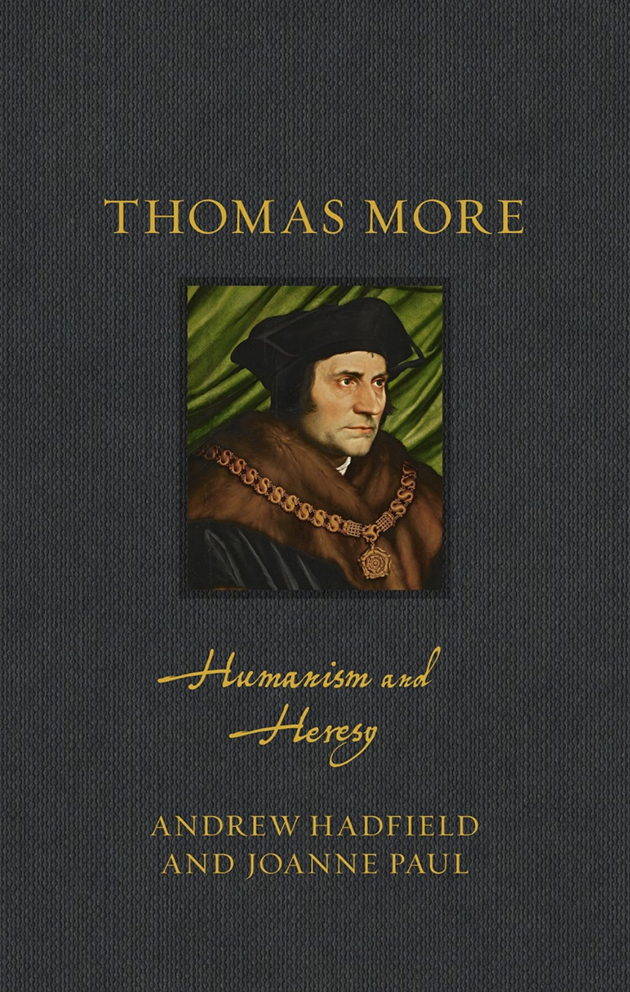
Andrew Hadfield and Joanne Paul, Thomas More: Humanism and Heresy, Reaktion Books, 2026
This book offers a clear and engaging introduction to one of the most influential and contested figures of the English Renaissance. Situating More’s major works within the humanist movement and the debates surrounding the Reformation and the Tudor court, Andrew Hadfield and Joanne Paul reveal how More’s ideas grew from, yet often strained against, the intellectual currents of his time. Through vivid contemporary illustrations and quotations, they bring fresh clarity to More’s texts, from Utopia to his late polemics, while offering original insights into the convictions behind them. By tracing tensions in More’s legacy, this book invites readers to reconsider the man who helped shape modern debates about faith, reason, and political conscience.
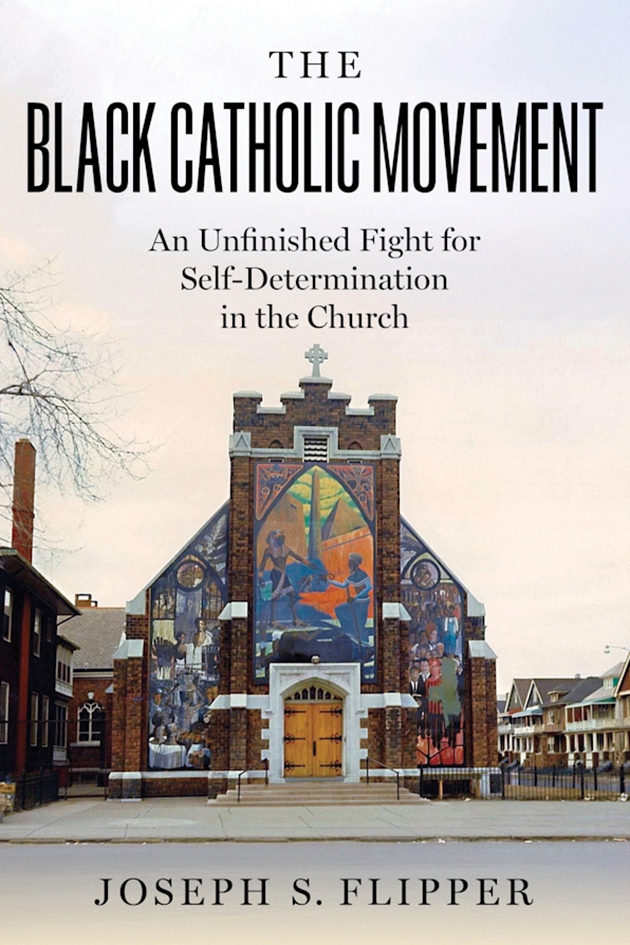
Joseph S. Flipper, The Black Catholic Movement: An Unfinished Fight for Self-Determination in the Church, NYU Press, 2026
In 1971, a delegation of Black Catholics traveled to the Vatican seeking a meeting with Pope Paul VI. While they did not meet the pope, they informed Vatican officials of the plight of Black Catholics in the United States. They wished to form their own church governance, independent from the White bishops who oversaw their diocese, so that they could exercise governance over their parishes and schools, which were frequently under threat of closure. Their journey was a chapter in a long history of struggle around African American missions and the place of African Americans in the Catholic Church.
The Black Catholic Movement charts the long arc of the movement among Black Catholics to seek independence within the Catholic Church. Influenced by the Black Power Movement’s struggle for self-determination as well as the Second Vatican Council (1962-1965), the Black Catholic Movement hoped to establish new ecclesiastical structures that would give them ownership over their church. When American Catholicism proved inflexible to their demands, the break-away Afrocentric Church, Imani Temple, drew thousands of Black Catholics away from Roman Catholicism.
Drawing on interviews and archival research in New Orleans, Detroit, and Washington, DC, the book reconstructs the Black Catholic struggle to maintain distinct Black Catholic communities and to preserve their spiritual, liturgical, and theological heritage. The volume comes up to the present, noting that although allowances have been made for Anglicans to enter the Catholic Church while maintaining their specific Anglican liturgies and traditions, the church has not granted this independence to Black Catholics. The debate about how to navigate unity within the Catholic Church while preserving Black Catholic heritage is still on-going. Ultimately, the book makes the case for the urgency of Black Catholic self-determination and self-governance.
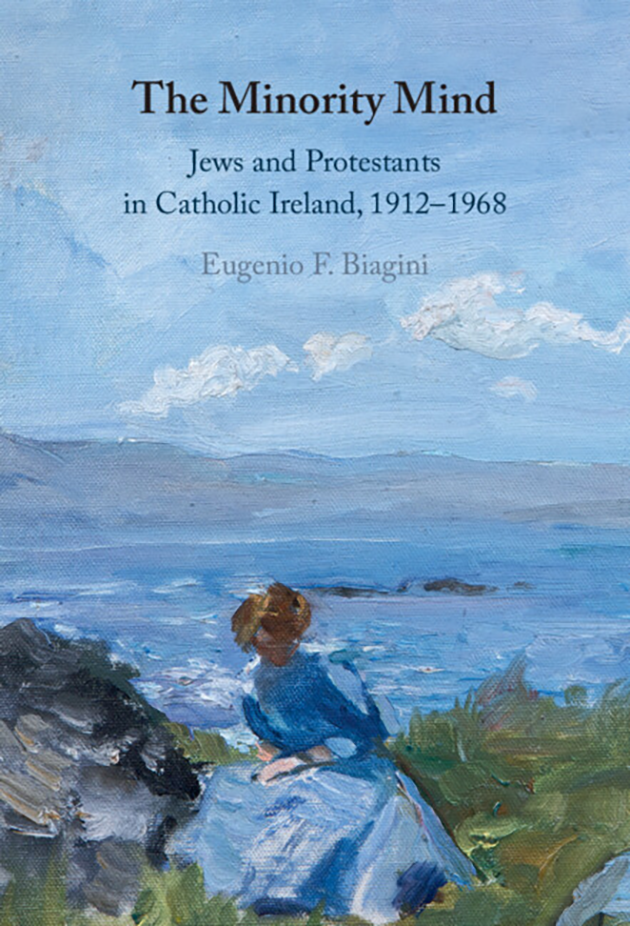
Eugenio Biagini, The Minority Mind: Jews and Protestants in Catholic Ireland, 1912–1968, Cambridge University Press, 2026
Partition was about minorities and their oppression – real or imagined, anticipated or remembered – which inspired a wide debate, still relevant today for the future of Northern Ireland. The partitionist assumptions – that a new nation-state required religious homogeneity and that minorities would be victimised – were rooted in historical experience and reflected contemporary political practice. This book illuminates the historical significance of religious minorities in southern Ireland at a time when the twenty-six Counties formed 'a Catholic state for a Catholic people'. Dragged into a process of nation building about which Jews and Protestants had serious reservations, they often felt like guests of an unappeasable host. Many emigrated, but those who stayed offered a critical contribution to civil society. Based on a wide range of primary sources, including recently discovered personal diaries, Eugenio F. Biagini's holistic account of the minority experience explains the role of entrenched diversity in shaping attitudes to civil rights and national identity.
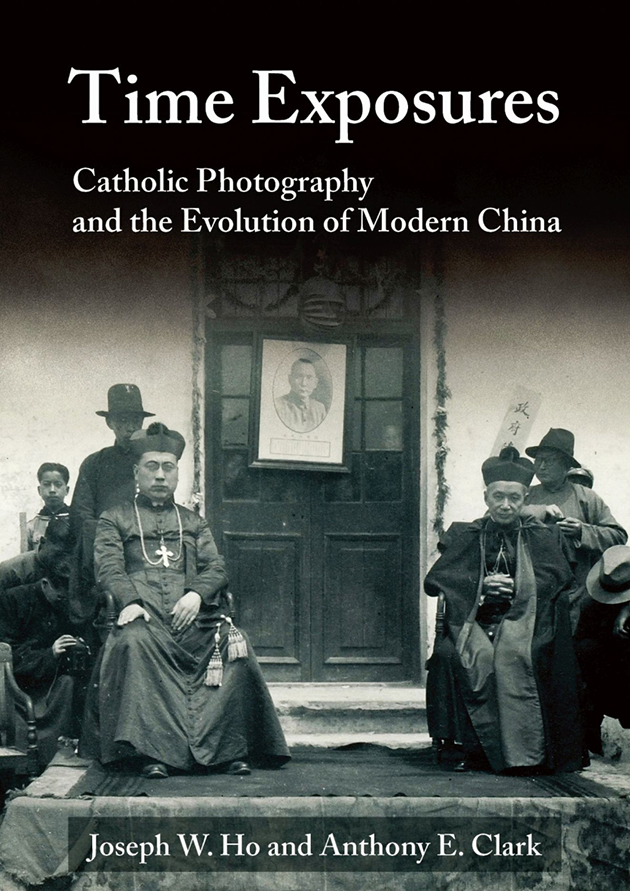
Joseph W. Ho and Anthony E. Clark, Time Exposures: Catholic Photography and the Evolution of Modern China, Hong Kong University Press, 2026
Time Exposures explores how historical photographs created by and of Chinese Catholic communities illuminate the vicissitudes of China’s transition from empire to modern nation. Relying on an expansive worldwide network of Catholic photographic archives, this book examines largely unseen and unpublished images related to Catholicism in China. These images, made from the 1870s through the 1990s, were central to visual practices and afterlives that represent, recover, and reenvision diverse Chinese experiences. This volume provides insight into the lives of women and men behind and in front of the camera who were important documentarians of China’s local and national changes over time, shaping ways of seeing and belonging to the country’s many cultural evolutions.